

"In e-commerce, it is not the cost you see that eats the margin - it's the cost you never see."
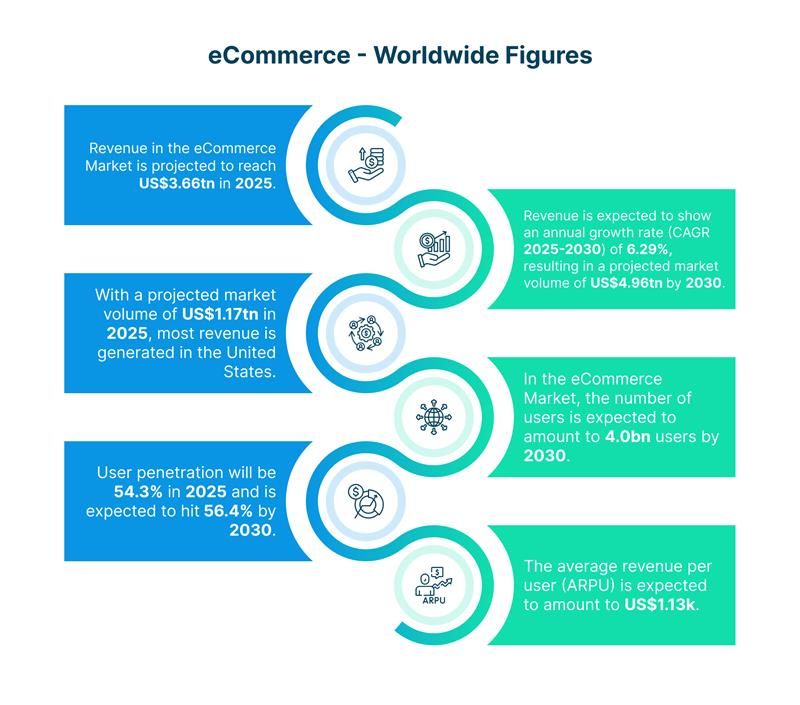
There is a price tag associated with every online transaction, but you usually don't see it. This hidden cost of payments in e-commerce has quietly become one of the toughest challenges facing digital retailers. While the vast majority of leaders focus on visible costs, such as interchange and payment gateway fees, the actual cost to retailers comes from the unseen revenue leakage and waste of operational inefficiencies. With global e-commerce sales expected to reach US$4.32 trillion by 2025, protecting margins is less about getting more sales - and more about stopping the invisible leak happening after the checkout button is clicked.
Understanding payment costs across regions
Globally, payment service providers (PSPs) charge merchants between 2.5% and 3.5% per transaction for bundled services covering acquiring, processing, and fraud prevention. Large-volume retailers can negotiate lower rates, but payment processing still ranks among the highest controllable costs on P&L sheets.
In the United States, credit card interchange fees average around 1.8%, while regulated debit transactions cost approximately 0.3%, based on Federal Reserve interchange data. In Australia, interchange on debit cards remains capped near 0.5% per Reserve Bank policy, reflecting ongoing global regulatory pressure to reduce fee burdens. Platforms like PayPal, which processes transactions for over 434 million active accounts valued at US$26 billion annually, symbolize the scale and infrastructure complexity required in global commerce (PayPal Annual Report 2024).
In emerging markets, however, the story takes a different turn. India's payment system exceeded US$1.6 trillion in digital payments in the second half of 2024, driven largely by the rise of UPI, which processed nearly 13 billion transactions a month by early 2025. UPI accounted for 75% of all retail digital payment volume based on NPCI data. Despite this phenomenal growth, hybrid payment behavior continues to exist: approximately 60% of overall consumer spending still happens via cash or card, which adds complexity to settlement, refund, and reconciliation processes.
Hidden margin killers: Revenue leakage
Beyond visible transaction costs, revenue leakage remains the most elusive and damaging threat to e-commerce profitability. Optimus and market studies consistently show that the scale and variety of these leaks, ranging from fraud controls to hidden provider fees silently compress margins and erode core business value.
False declines & authorization errors
Research reveals that upwards of 10% of legitimate transactions are wrongly declined due to excessive fraud filters or strict bank authorization rules, resulting in about US$443 billion in global annual losses. Every false decline not only reduces conversion rates but also chips away at customer trust, diminishing both immediate sales and long-term customer lifetime value.
Payment failures and cart abandonment
Additional leak points include:
- Failed payments from expired cards, authentication timeouts, and issuer system errors, all of which increase cart abandonment and turn potential sales into lost opportunities.
- Often, these failures go undetected or under-addressed in reconciliation systems, perpetuating revenue loss.
Manual reconciliation errors
Manual errors in reconciliation result in:
- Duplicate payouts and untracked refunds,
- Spreadsheet-driven processes that miss fee duplicates, chargebacks, or over/underpayments,
- Unlogged remittances and revenue holding fees, creating discrepancies that persist until formal audits.
Disjointed systems and delayed revenue recognition
When data is fragmented across multiple marketplaces and gateways, unrecognized revenue and delayed returns frequently occur. These system silos:
- Create delays in recognizing revenue,
- Lead to missed or misapplied adjustments during system handoffs,
- Slow down capital circulation and negatively affect cash flow forecasting.
Reverse logistics & inventory write-downs
Return-related losses and inventory write-downs can quietly accumulate, only surfacing during audits. These operational inefficiencies:
- Are rarely included in ongoing margin analysis,
- Lead to unnecessary inventory write-downs and understated profits.