


Single source of truth for your ledgers
Reconcile transactions across systems and eliminate data inconsistencies—so your financials are always accurate, consistent, and ready for close

Save time on GL every month
Automate your GL/accounting processes and reduce the time spent on manual tasks.

Use Multiple Payment Methods And Currencies
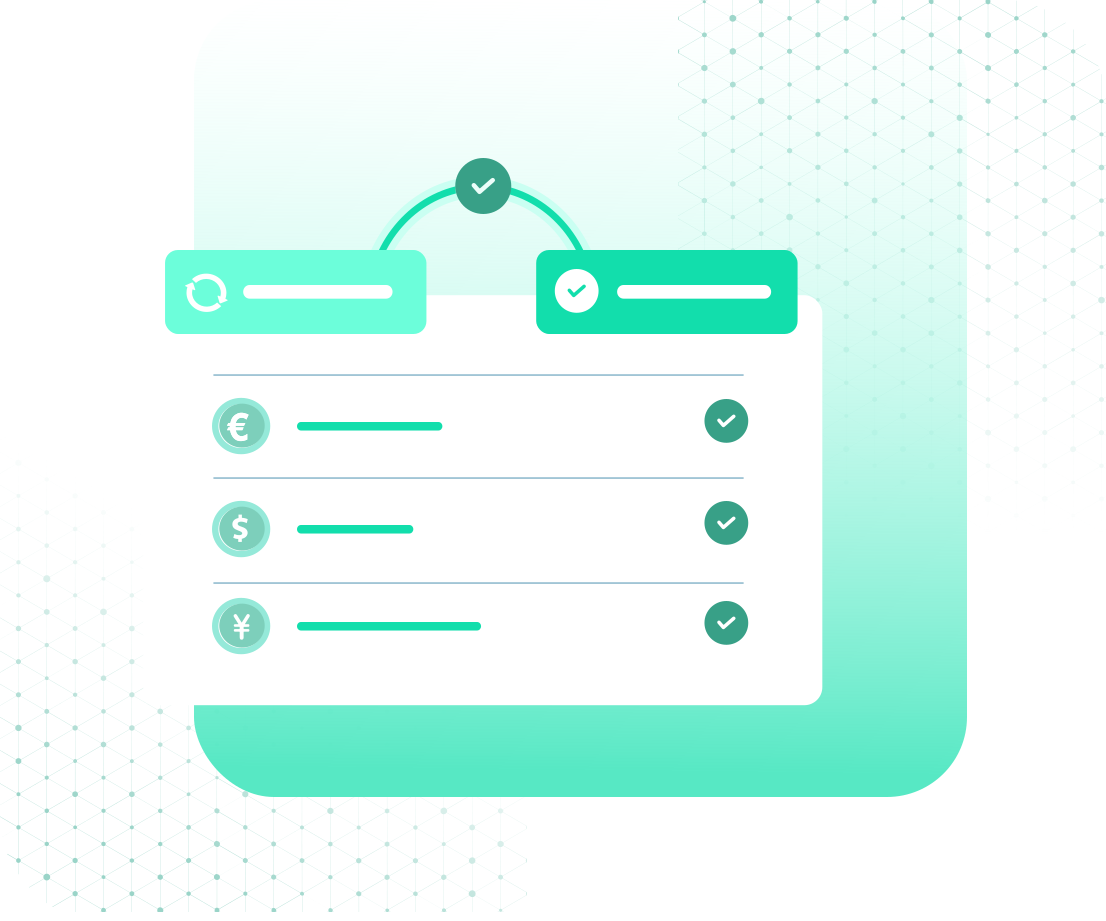
Link ledger transactions to reconciled payments and track balances in multiple currencies, across payment channels

Close Books Faster
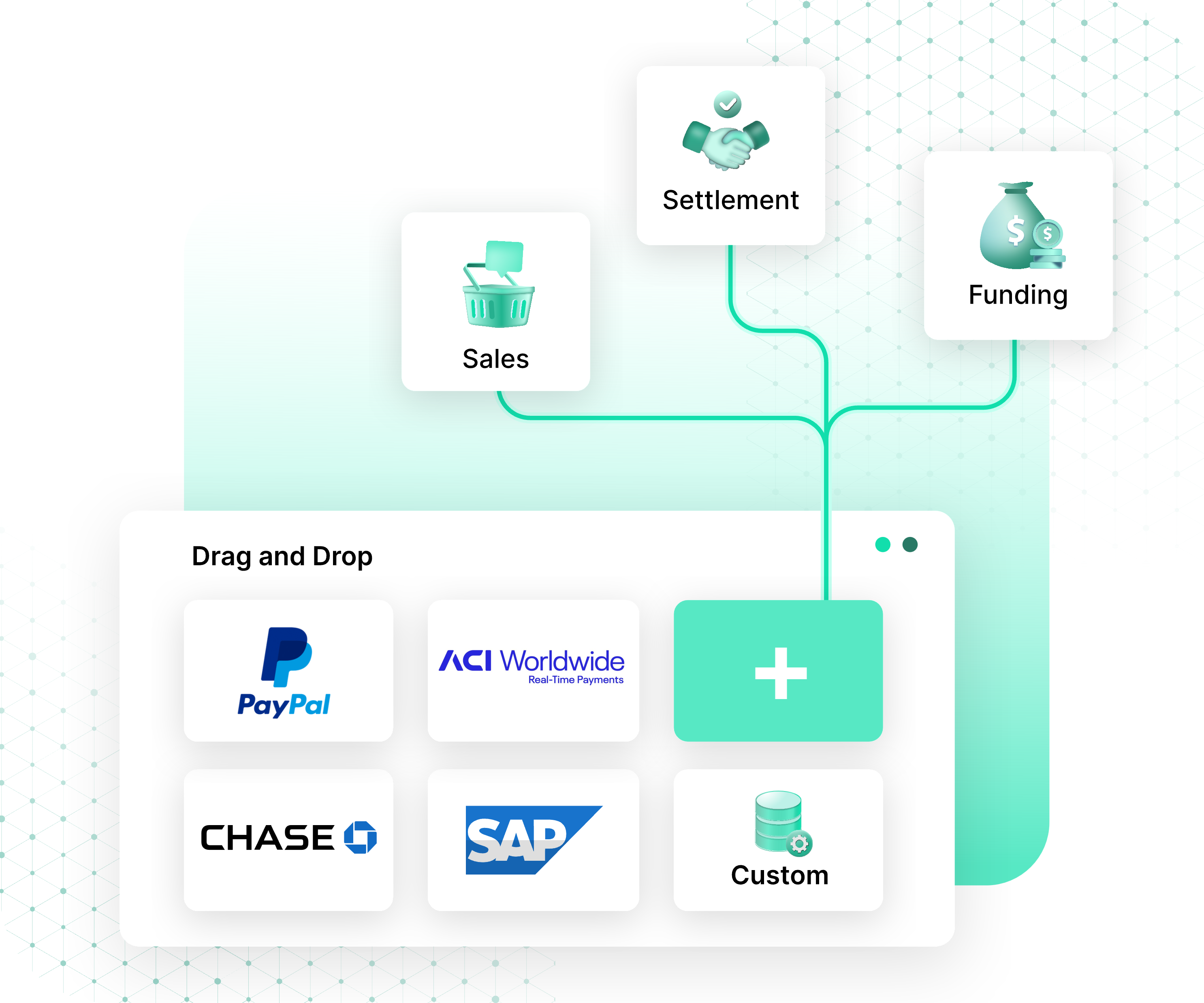
Sync sub-ledgers to your General Ledger with built-in ERP integrations. Easily post journal entries and adjustments with confidence.

Bulletproof Accounting
Record each transaction as immutable, double-entry records. Ensure data integrity and accuracy. Maintain a single source of truth for the organization.

Complete Financial Visibility
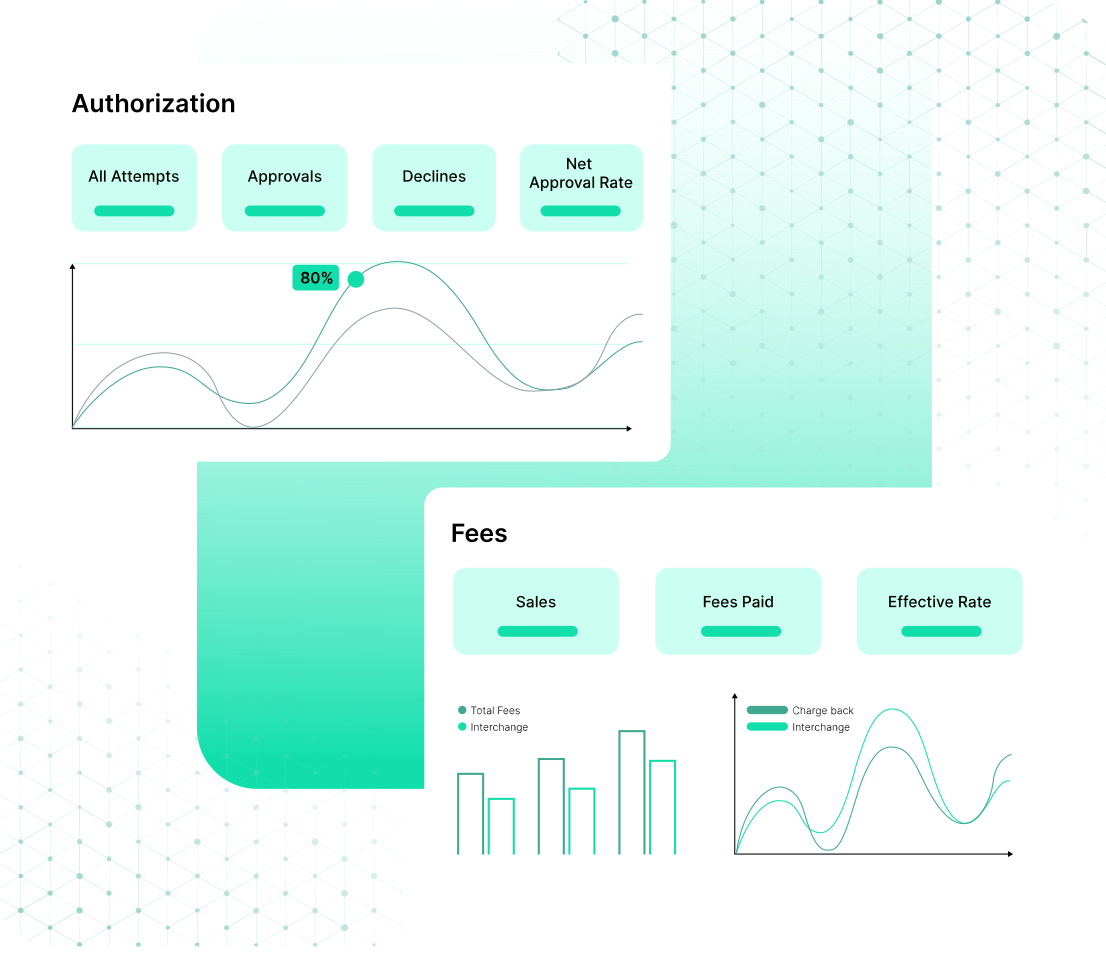
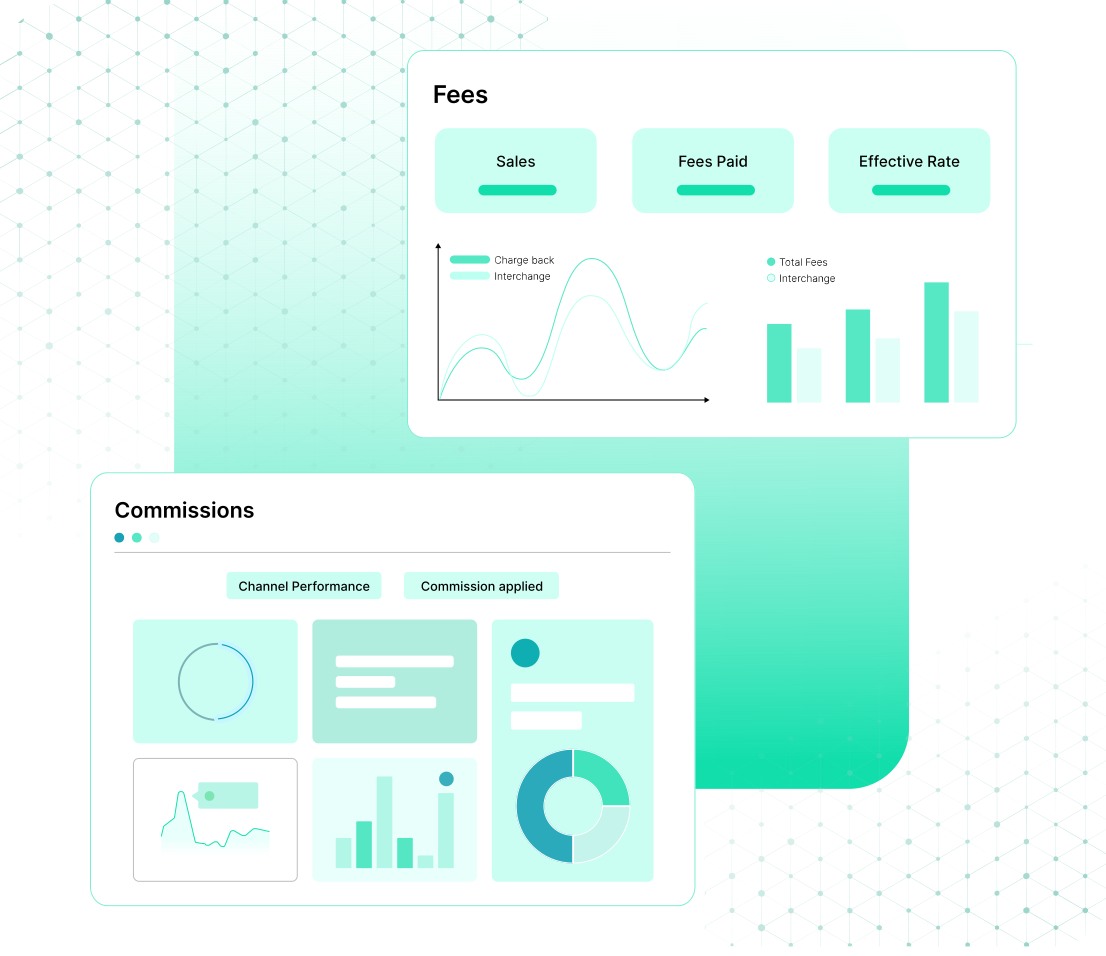
Increase collections, optimize provider costs, and minimize losses.

Audit ready & fully compliant
Trace each transaction with complete audit trails and event logs, point-in-time balance reporting and full segregation of funds between platform cash and client funds.

Flexibility to support any use case
Track balances across any currency—including points and rewards—using pre-defined logic of your choice, free-form metadata, and account categories.

Unified Financial Operations
Seamlessly bring together your financial data. Establish a consistent and reliable source of truth that bridges gaps across teams and departments.
Setup Ledger Account
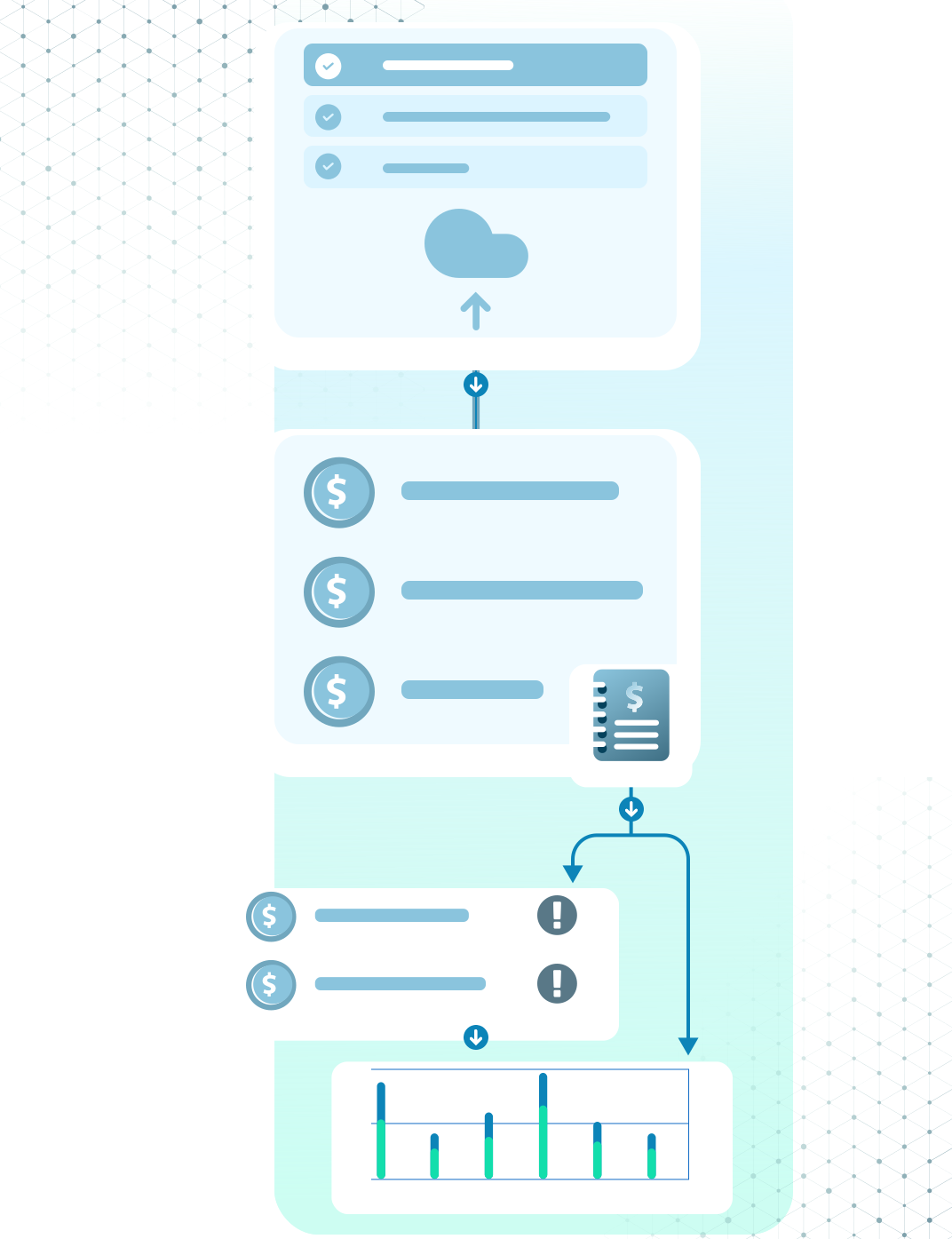
Simply upload your internal chart of accounts to Optimus. Optimus will automatically create ledger accounts to map transactions.

Update Ledger
As transactions happen, Optimus will automatically log them in the immutable ledger.
Create Case
Watch your balances update in real-time and generate journal posting reports on a daily basis.

Frequently Asked Questions For Ledgers
What is a General Ledger?
A General Ledger (GL) is the central accounting record where all a company's financial transactions are summarized. It contains accounts for assets, liabilities, equity, revenues, and expenses. The GL provides a comprehensive view of a company’s financial health by tracking debits and credits, ensuring balanced books. It serves as the foundation for preparing financial statements like the balance sheet and income statement.
Why is a general ledger necessary?
A General Ledger is essential for tracking all financial transactions in a business. It consolidates data from various accounts—such as assets, liabilities, revenue, and expenses—into a single, organized record. This ensures accurate financial reporting, aids in budgeting, and helps maintain compliance with accounting standards. Without a General Ledger, it's difficult to manage cash flow, assess financial health, or prepare accurate financial statements.
What is the purpose of General ledger reconciliation?
The purpose of general ledger reconciliation is to ensure the accuracy and completeness of financial records by comparing the general ledger with supporting documents, such as bank statements or sub-ledgers. This process identifies discrepancies, corrects errors, and ensures compliance with accounting standards. Regular reconciliation helps maintain accurate financial reporting, aids in decision-making, and prevents fraud or financial misstatements within an organization.
What is the role of the General ledger?
The General Ledger (GL) serves as the central repository for all financial data in an organization. It records every financial transaction, categorizing them into accounts, such as assets, liabilities, income, and expenses. The GL is crucial for preparing financial statements, ensuring compliance, and facilitating audits. It provides a comprehensive view of the company’s financial health, enabling informed decision-making and effective financial management.
What Types of Ledgers Are Available?
There are several types of ledgers used in accounting and finance. The most common include the general ledger, which records all financial transactions; the subsidiary ledger, detailing specific accounts like accounts receivable; and the digital ledger, which leverages blockchain technology for secure, decentralized transactions. Additionally, specialized ledgers such as sales, purchase, and cash ledgers help organizations track specific financial activities for better management and reporting.
How Does Optimus Ensure the Accuracy of General Ledger Entries?
Optimus ensures the accuracy of general ledger entries through a combination of automated processes and rigorous checks. Automated data validation and reconciliation are employed to identify discrepancies early on. Additionally, regular audits and reviews are conducted to verify transaction integrity. Continuous training for staff on accounting standards and best practices further enhances accuracy, ensuring that all entries reflect the true financial position of the organization.
How Does General Ledger Software Support Compliance and Audits?
General ledger software supports compliance and audits by providing accurate financial records, facilitating real-time reporting, and ensuring adherence to regulatory standards. It streamlines data entry, enhances traceability of transactions, and generates detailed audit trails, making it easier for auditors to verify information. Automated features reduce the risk of human error, while customizable reports help organizations maintain transparency and accountability, essential for meeting compliance requirements.
What Security Features Are Included in General Ledger Software?
General ledger software includes several security features to protect financial data. These features often consist of user authentication, role-based access control, data encryption, audit trails, and regular backups. Additionally, many systems employ multi-factor authentication and compliance with industry standards, ensuring robust protection against unauthorized access and data breaches.
How Can I Customize General Ledger Reports?
Customizing General Ledger reports involves selecting specific accounts, adjusting date ranges, and applying filters to focus on relevant data. Users can modify layouts, add or remove columns, and integrate charts for visual representation. Leveraging software tools, such as Excel or specialized accounting software, enhances report clarity and aids decision-making.

You can reach us at:

1700 Montgomery St, San Francisco, California 94111
6470 E Johns Crossing Suite 160, Johns Creek, GA 30097
Copyright © 2026 Optimus. All Rights Reserved.

